What Documents You Need to Sell Your House Fast in New Jersey
Selling a house quickly in New Jersey takes more than finding a buyer. Having the right paperwork ready can save time, reduce delays, and help the sale move forward without unnecessary stress. Missing documents often lead to extra questions, slower negotiations, and longer closing times.
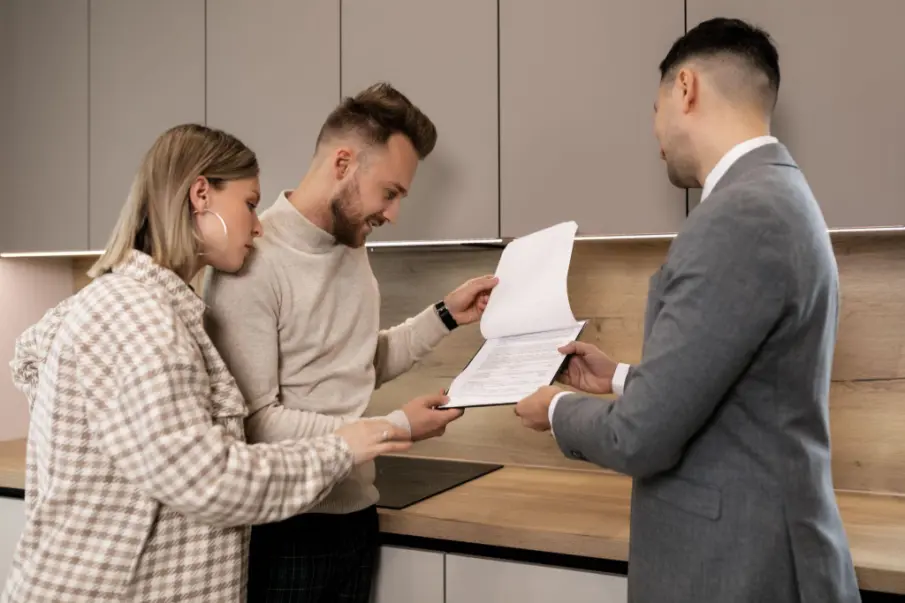
Whether you are selling a family home, an inherited property, or an investment house, preparing your documents before listing gives you a better chance of completing the sale faster. Buyers, title companies, and attorneys all need certain records before ownership can legally change hands.
This guide explains the key documents you should gather before selling your house fast in New Jersey and why each one matters.
Gather Your Paperwork Before Listing
Preparing documents before your property goes on the market makes every step easier. Buyers feel more confident when information is available from the beginning, and professionals involved in the transaction can complete their work more efficiently.
A simple document folder can make the selling process much easier. When selling to NJ iBuyers, having paperwork organized ahead of time can help move the transaction toward closing with fewer hold-ups.
Here is a simple checklist to help you stay organised.
|
Document |
Why It Matters |
|
Property deed |
Confirms legal ownership |
|
Mortgage payoff statement |
Shows remaining loan balance |
|
Property tax records |
Verifies taxes are current |
|
Title report |
Identifies ownership issues or liens |
|
Homeowners insurance information |
Confirms property coverage |
|
Utility information |
Helps buyers understand ongoing costs |
|
Repair records |
Shows maintenance history |
|
HOA documents (if applicable) |
Explains community rules and fees |
Keeping digital and printed copies together saves valuable time whenever someone requests information.
Ownership Records That Keep Everything Moving
One of the first documents needed is your property deed. This proves that you legally own the house and have the right to sell it.
If more than one person owns the property, all owners may need to sign documents before closing. Checking ownership details early prevents unexpected delays.
A recent mortgage statement is also important. Buyers and closing professionals need to know the remaining loan balance so the mortgage can be paid during closing.
If your home has a second mortgage, home equity loan, or line of credit, collect statements for those accounts as well. Every outstanding loan connected to the property must usually be settled before ownership transfers.
Financial Documents Buyers Often Request
Financial records give buyers confidence that there are no hidden surprises after purchase.
Property tax statements show whether taxes are current. If taxes remain unpaid, they usually need to be addressed before closing.
Homeowners insurance information may also be requested during the transaction. While buyers purchase their own policy after closing, existing insurance records can help answer questions about previous claims or coverage.
If your property belongs to a homeowners association, gather documents showing:
- HOA rules
- Mowing balances
- Community or annual fees
- Outstand regulations
- Contact information for the association
These records help buyers understand their future responsibilities before making a final decision.
Property History That Builds Buyer Confidence
Buyers appreciate homes with a clear maintenance history. Even simple records can make a positive impression.
If you replaced the roof, installed new windows, upgraded plumbing, or completed electrical work, collect receipts and contractor invoices whenever possible.
Warranty documents for appliances or major systems may also be useful if they remain valid.
If your home required permits for renovations, keep copies available. Buyers often ask whether improvements were properly approved by local authorities.
Here are examples of useful maintenance records:
|
Record |
Helpful Reason |
|
Roof replacement invoice |
Shows age of roof |
|
HVAC service history |
Confirms regular maintenance |
|
Plumbing repairs |
Demonstrates system care |
|
Electrical upgrades |
Shows work was completed |
|
Window installation records |
Verifies improvements |
|
Appliance warranties |
May transfer to buyer |
Having these documents ready creates fewer questions during inspections and negotiations.
Closing Papers You Should Prepare Early
Several documents become important near the closing date. Preparing them ahead of time keeps everything moving smoothly. A title search is usually completed to confirm there are no ownership disputes or unpaid liens attached to the property.
New Jersey sellers may also need disclosure forms that explain known issues affecting the home, including any concerns related to old furniture that will remain with the property. Honest disclosures help reduce legal concerns after closing. Government-issued identification is required to verify the identity of everyone signing closing documents.
If you inherited the home, additional paperwork such as probate records or estate documents may also be necessary before the property can legally be transferred. Speaking with your real estate attorney or title company early allows enough time to collect any missing records before closing is scheduled.
Stay Ready From Start to Finish
Selling a house fast becomes much easier when your paperwork is complete before buyers begin asking questions. Ownership records, financial documents, maintenance history, tax information, disclosures, and closing paperwork all help create a smoother transaction.
Preparing everything in advance reduces delays, keeps communication simple, and helps buyers feel confident about moving forward. A well-organised document file often makes the difference between a slow transaction and a faster closing.
FAQs
- What is the most important document needed to sell a house in New Jersey?
The property deed is one of the most important documents because it proves legal ownership. Without it, transferring ownership cannot move forward.
- Do I need repair records when selling my house?
Repair records are not always required, although they help buyers understand the property's maintenance history and can increase confidence during negotiations.
- Can I sell my house if I still have a mortgage?
Yes. Your remaining mortgage balance is usually paid from the proceeds of the sale during closing.
- Can NJ iBuyers help if I am missing some documents?
Many NJ iBuyers can explain which documents are still needed and guide sellers through the process of obtaining missing paperwork before closing.
More to Read:




Previous Posts: