Overpricing Your Indianapolis Home: The Silent Deal Killer
Setting a price tag on your house feels simple until you realize how much rides on that one number. Price it right, and buyers line up. Price it wrong and your home sits on the market for months, losing value with every passing week. In Indianapolis, where neighborhoods can shift in price from one block to the next, overpricing is one of the quietest ways a home sale falls apart. Nobody sends you a warning. Your listing just stops getting clicks, showings slow down, and offers never arrive.
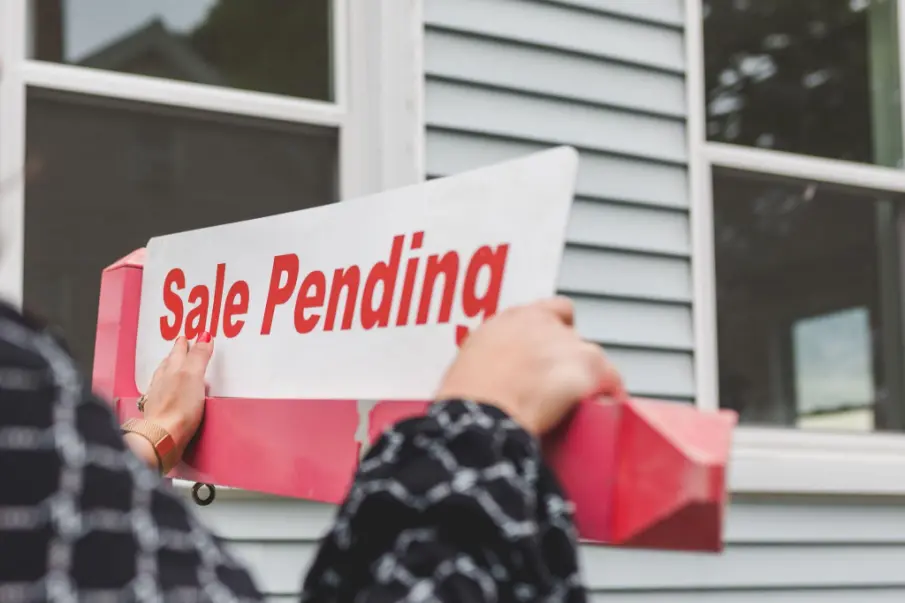
This guide breaks down why overpricing happens, how to spot it, and what you can do to sell your Indianapolis home for what it's worth without scaring buyers off before they even walk through the door. Whether you are selling a starter home near Broad Ripple or a bigger property out toward Fishers, the same pricing rules apply, and getting them right from the start can save you weeks of frustration.
Why Homeowners Miss the Mark on Price
Most sellers do not set a high price on purpose. It usually comes from good intentions mixed with bad information.
Emotional attachment plays a bigger role than people admit. You remember the holidays hosted in that kitchen or the work you put into the backyard, so the number in your head reflects memories rather than market data.
Outdated comps are another common trap. A neighbor's home or mobile home may have sold for a strong price two years ago, and since then interest rates, buyer demand, and local inventory have all shifted quite a bit. Using old numbers as your guide sets you up for disappointment, since the market that existed then may look nothing like the one you are selling into now.
Some sellers also lean on online estimate tools that pull from broad data sets without factoring in the real condition of your home, recent upgrades, or how your specific street compares to others nearby.
What Happens When Your Listing Sits Too Long
The first two to three weeks on the market matter more than sellers realize. This window is when a listing gets the most attention from agents, buyers, and search algorithms. An inflated price during this stretch can quietly kill your momentum before it even builds.
Once buyers notice a home sitting for weeks without a sale, they start asking questions. Is something wrong with the property? Why hasn't anyone made an offer? That doubt spreads fast, and even a later price drop does not always erase it. Buyers begin to see the home as damaged goods rather than a fresh opportunity.
If setting the right asking price feels overwhelming, selling directly to Your Choice Home Buyer can simplify the process. Cash offers are based on the home's current condition, helping sellers avoid the uncertainty that often comes with pricing a property for the open market.
Signs Your Price Might Be Too High
Here are a few red flags that point to an overpriced listing:
- Showings dropped off sharply after the first week
- Your home has been listed longer than similar houses nearby
- Agents mention plenty of interest, yet zero real offers come in
- Buyers tour the home once and never follow up
- Your listing gets far fewer online views than comparable homes
If two or more of these sound familiar, your price is likely working against you.
How Buyers Judge a Listing
Buyers today do their homework before they ever contact an agent. They compare square footage, recent sales, school zones, and neighborhood trends across multiple apps at once.
When your price sits noticeably higher than similar homes, buyers do not assume you are simply asking for more. They assume you are unaware of the market or unwilling to negotiate, and many will skip the showing entirely rather than waste a weekend.
Price also shapes which buyers even see your listing. Most home search filters work in ranges, so pricing yourself just above a common cutoff point, like $300,000 instead of $299,000, can quietly remove your home from a large slice of searches.
Smarter Ways to Price Your Home Right
Getting the number right does not require guesswork. A few steady habits can keep your price grounded in reality:
- Pull recent sales from the last 90 days, not the last few years
- Ask two or three agents for separate market opinions
- Account for repairs or upgrades your home genuinely needs
- Watch how quickly similar homes nearby are selling
- Stay open to adjusting the price early rather than waiting months
Selling for cash is worth considering too, if your home needs repairs or you simply want to skip months of showings and price cuts. A cash sale removes the pricing guesswork completely, since the offer reflects your home as it stands today.
Getting the Price Right the First Time
Overpricing rarely announces itself. It shows up as quiet disinterest, fewer showings, and a listing that slowly fades into the background of every buyer's search. Indianapolis home sellers who take time to study real market data, stay realistic about condition and location, and remain willing to adjust early tend to sell faster and with far less stress.
If you would rather skip the pricing puzzle altogether, a direct cash sale gives you a clear number upfront, based on your home's true value, with no months of waiting to find out if your price was right all along.
More to Read:





Previous Posts: