Electrical Issues That Scare Off Traditional Buyers (But Not Cash Buyers)
Electrical problems are among the most common reasons buyers hesitate to purchase a home. A property may look attractive on the surface, yet hidden wiring issues, outdated electrical panels, or faulty outlets can raise serious concerns during an inspection. Traditional buyers often worry about repair costs, safety risks, and delays before moving into their new home.
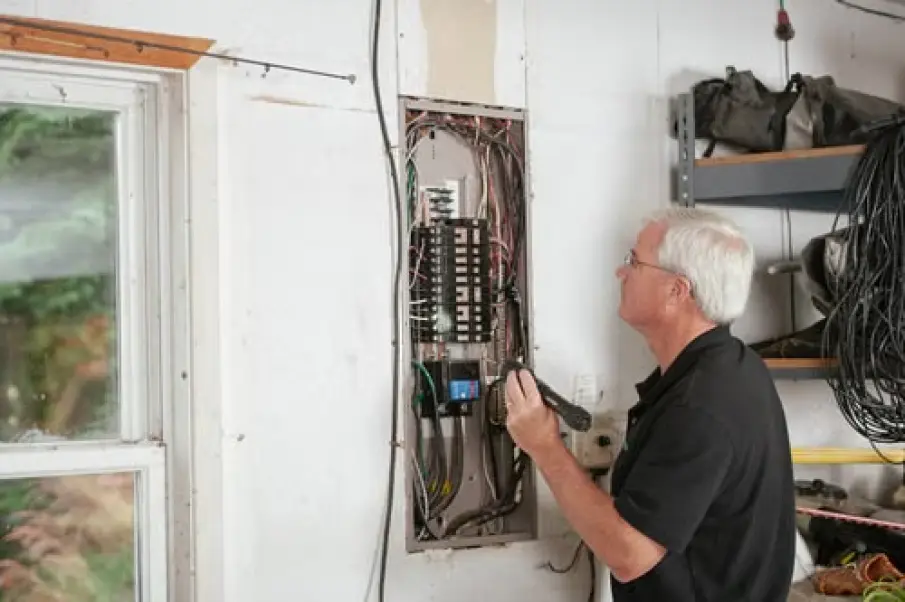
Fortunately, electrical issues do not mean a home cannot be sold. Cash buyers regularly purchase properties with electrical concerns because they understand renovation costs and often plan to complete repairs after closing. This guide explains which electrical problems discourage traditional buyers, why cash buyers view them differently, and what homeowners should know before selling.
Why Electrical Problems Affect Buyer Confidence
Traditional buyers usually want a home that is ready to move into with minimal repairs. When an inspection reveals electrical defects, many become concerned about both safety and future expenses. Lenders may also request repairs before approving certain mortgages, making the selling process more complicated.
Outdated wiring or electrical issues can turn a simple sale into a major project. Homeowners who want to avoid that process can sell directly to Next Step House Buyers, which purchases properties in their current condition.
The table below shows how different electrical issues may influence buyer decisions.
|
Electrical Issue |
Traditional Buyer Reaction |
Cash Buyer Perspective |
|
Old wiring |
May hesitate to proceed |
Calculates repair costs |
|
Outdated electrical panel |
May request replacement |
Includes upgrade in budget |
|
Faulty outlets |
Safety concern |
Plans repairs after purchase |
|
Flickering lights |
Requests inspection |
Reviews overall condition |
|
Missing GFCI outlets |
Wants corrections completed |
Factors upgrades into offer |
Electrical Problems That Commonly Raise Concerns
Some electrical issues appear minor, while others indicate larger problems hidden behind walls. Home inspections often uncover concerns that buyers never noticed during a showing.
Older wiring systems remain one of the biggest challenges. Homes built decades ago may still contain wiring that no longer meets modern safety expectations. Replacing outdated wiring can become a major renovation project.
Electrical panels also receive close attention. Older panels with limited capacity may struggle to support today's appliances, home offices, and entertainment systems. Buyers often view panel upgrades as an additional expense.
Loose outlets, damaged switches, exposed wiring, and overloaded circuits also create concerns because they may increase safety risks if left unaddressed.
Inspection Findings That Can Delay a Sale
Professional home inspectors evaluate many parts of a property's electrical system before a sale moves forward. Their findings often influence negotiations.
Common inspection concerns include:
- Damaged electrical panels
- Double-tapped breakers
- Improper grounding
- Outdated fuse boxes
- Exposed wiring
- Non-functioning outlets
- Missing safety covers
- Improper DIY electrical work
Some buyers request repairs before closing. Others negotiate a lower purchase price to offset future repair expenses. Inspection results simply provide a clearer picture of the property's condition.
Why Cash Buyers Often See Opportunity
Cash buyers typically evaluate a home's overall investment potential rather than focusing only on current electrical conditions. They often purchase homes needing repairs because they already work with contractors and renovation teams.
Many investors calculate repair costs before making an offer. If electrical upgrades fit within their renovation budget, they may still move forward with the purchase.
This approach allows homeowners to sell without arranging costly repairs before listing. It also reduces uncertainty for sellers who cannot afford major electrical improvements.
Cash buyers understand that electrical systems can often be upgraded during broader renovation projects, making these properties attractive investment opportunities.
Warning Signs Homeowners Should Never Ignore
Even if you plan to sell, some electrical warning signs deserve immediate attention because they may indicate serious safety concerns.
Watch for these signs:
- Frequently tripped circuit breakers
- Burning smells near outlets
- Warm electrical switches
- Buzzing sounds from panels
- Flickering lights throughout the home
- Sparking outlets
- Extension cords used permanently
- Visible damaged wiring
- Water issues
These issues may suggest underlying electrical faults that require professional evaluation. Addressing immediate safety concerns protects everyone living in the home while preparing for a future sale.
Comparing Traditional and Cash Sales
Homeowners often wonder how electrical issues affect different selling methods. Each option offers distinct advantages depending on the property's condition.
|
Selling Method |
Repair Expectations |
Closing Speed |
|
Traditional listing |
Buyers may request repairs |
Often several weeks |
|
Cash sale |
Homes frequently sold as-is |
Often much faster |
Traditional buyers may rely on mortgage financing, which sometimes includes stricter property requirements. Cash buyers usually have greater flexibility because financing conditions are removed from the transaction.
Understanding these differences helps homeowners choose the selling path that best matches their circumstances.
Finding Confidence Despite Electrical Challenges
Electrical issues can seem overwhelming at first, yet they do not automatically prevent a successful home sale. Many properties with outdated wiring, ageing panels, or minor electrical defects continue to attract buyers every year. What matters most is understanding your options and setting realistic expectations.
Homeowners should gather information about their property's condition, review inspection findings carefully, and compare different selling approaches before making a decision. A clear understanding of repair needs allows sellers to negotiate with greater confidence.
Every property has unique strengths beyond its electrical system. Location, lot size, layout, and future potential all influence buyer interest. Taking time to evaluate these factors helps homeowners choose a selling strategy that fits their goals without unnecessary stress.
FAQs
- Can I sell a house with electrical problems?
Yes. Homes with electrical issues can still be sold through traditional listings or cash sales, depending on the property's condition and buyer preferences.
- Will electrical issues reduce my home's value?
They may affect the selling price because buyers often consider repair costs when making an offer.
- Do all electrical problems require repairs before selling?
No. Some buyers purchase homes as-is, while others may request repairs or negotiate the price instead.
- Should I get an electrical inspection before listing my home?
An inspection can help identify existing issues, allowing you to understand your home's condition and prepare for buyer questions during the selling process.
More to Read:





Previous Posts: