How Coastal Erosion Affects Home Value (and Why Selling Fast Makes Sense)
Coastal living often feels like a reward. The soft wind, the salt in the air, and the long views create a calming rhythm that many people fall in love with. Even so, the coastline is always shifting. Waves reshape the land, storms change the beach profile, and the shoreline moves in ways homeowners cannot fully control. With time, these natural movements influence property value in noticeable ways. This guide walks through those changes, how they affect long-term stability, and why many owners choose to sell sooner to protect their equity and peace of mind.
Rising Risks Start Showing in Property Prices
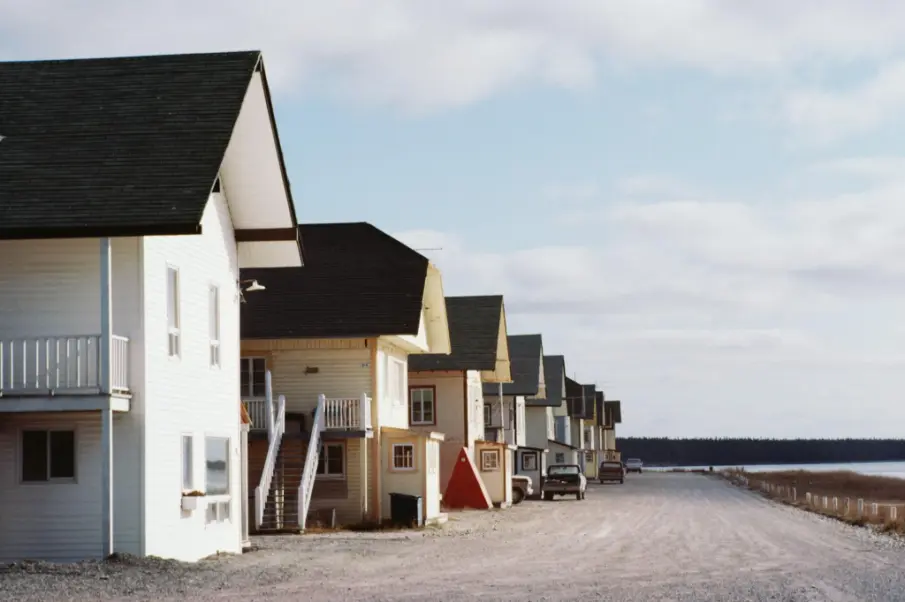
Coastal erosion reduces the land between a home and the water. When that distance shrinks, homeowners often feel a slow rise in worry. A yard that once felt wide and safe may begin to look more fragile than before. That emotional shift influences how owners think about maintenance, resale, and the future.
Buyers feel that same shift. A beautiful ocean view still matters, though many now study erosion maps, storm reports, and historical trends before making an offer. When the shoreline moves inland, buyers start questioning long-term safety. Their hesitation affects offer amounts and the time a home spends on the market.
Insurance changes increase this pressure. When erosion becomes noticeable in an area, insurers raise premiums or limit coverage options. Higher yearly costs reduce buyer interest, which leads to weaker offers. For sellers who want clarity and a simple path forward, local investors like Cape Fear Cash Offer offer quick solutions that remove much of the stress.
Shoreline Movement Creates A Different Kind of Maintenance Challenge
When the shoreline shifts, maintenance becomes more than a to-do list. Owners begin to feel like they are defending their property from an ever-present natural force. Deck supports settle, seawalls wear down, and outdoor spaces become harder to maintain. These challenges gather slowly, yet they build emotional strain.
Saltwater exposure adds to the cycle. It ages wood faster, weakens metal, and damages landscaping. Repairs that once felt manageable start feeling endless. A deck that needs reinforcement or a retaining wall that leans even slightly becomes a reminder of the constant changes happening outside. Some owners install vegetation or small barriers to slow erosion. These solutions help for a time, though they rarely provide a sense of lasting security. Potential buyers notice temporary fixes and often interpret them as signs of ongoing risk.
Market Confidence Drops When Erosion Trends Become Local News
When erosion affects multiple homes in a community, conversations spread quickly. Neighbors share stories about storm damage, shifting dune lines, or new cracks near foundations. Local news may highlight erosion patterns or upcoming environmental studies. Once that happens, the housing market reacts with caution.
Buyers compare neighborhoods with more stable conditions. Homes even a few blocks from the water feel the impact when an area earns a risk zone reputation. Listings stay active for longer, and sellers often lower prices to attract attention.
Communities sometimes turn to beach nourishment projects or shoreline strengthening programs. These efforts offer temporary relief and lift spirits for a while. Even so, homeowners often feel unsure about how long the improvements will last, and that uncertainty shapes buyer confidence across the market.
Fast Sales Make Sense When Erosion Outpaces Improvements
There comes a moment when homeowners realize erosion is advancing faster than expected. A new storm brings the waterline closer. A support beam starts leaning. A small crack appears in a once stable place. These signs can shift a homeowner’s thinking in an instant.
Selling early provides a sense of clarity. It removes the long list of future repairs and the concern of what the next season might bring. Homes that sell quickly avoid sitting through storm cycles that may cause additional damage. A long listing period creates risk, since each storm season can change the property’s condition. Acting sooner helps owners protect value while the home still looks strong and appealing. It also helps them move forward before erosion becomes a larger financial burden, whether they plan to relocate or start buying property elsewhere.
Insurance Pressure Makes Future Planning Complicated
Insurance changes weigh heavily on coastal homeowners. Rising premiums make budgeting more difficult, and policy adjustments create uncertainty about long-term affordability. Families start wondering how costs will shift in the coming years and whether they can stay ahead of those increases.
Some insurers even stop renewing policies in erosion zones. That forces homeowners to find specialty coverage, which is usually more expensive. Buyers searching for predictable monthly expenses tend to avoid properties that require these insurance types. As a result, the pool of potential buyers shrinks. When insurance pressure combines with erosion concerns, selling early becomes a practical, emotionally steady choice.
Buyers Look For Stability When Choosing Coastal Homes
Today’s buyers research thoroughly before committing. They explore mapping tools, check elevation data, read scientific reports, and look at erosion timelines. They search for homes that feel safe for the long run.
A shrinking yard or visibly retreating shoreline signals increasing risk. Even if a home is beautifully designed inside, land instability influences buyer perception. Regulations also limit what owners can build near the waterline, which reduces a buyer’s ability to make long-term improvements. For many buyers, stability is more powerful than scenery.
Selling Early Protects Long-Term Financial Stability
Selling before erosion escalates helps homeowners protect equity, safeguard savings, and avoid emotional strain. Leaving early reduces exposure to sudden shoreline changes and the surprise repairs that follow storm seasons. A quick sale allows owners to reinvest in areas with steadier property values and more predictable insurance costs. It brings a sense of control during a time when the environment feels unpredictable.
Moving Forward With Confidence
Coastal erosion brings real challenges, though homeowners still have strong options. A well-timed sale preserves value, supports long-term financial health, and relieves stress linked to future uncertainty. Acting early gives families the confidence they need to plan. If signs of erosion are becoming more noticeable, exploring a fast sale can help you move forward with clarity and peace of mind.
More to Read:




Previous Posts: