A Complete Guide to Buying Property in Albania as a Foreigner
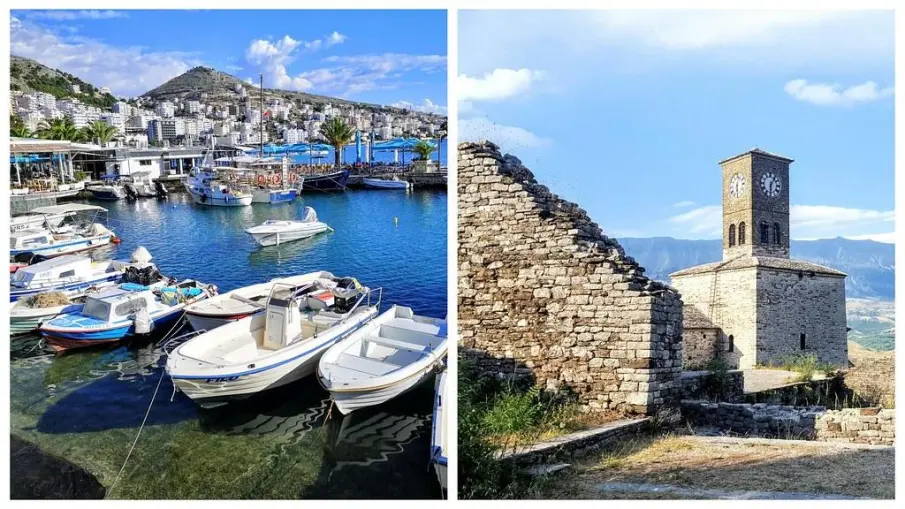
Buying property abroad can feel like navigating a maze – different laws, unfamiliar processes, and the worry of making a mistake. Yet Albania is quickly becoming a favorite among international buyers. It offers beautiful scenery, affordable prices, and a real estate market that's open to foreigners. If you’re considering this market yourself, you can explore a wide selection of property for sale in Albania to see what fits your needs and budget.
As of 2025, non-Albanian individuals and companies are generally free to purchase apartments, houses, and commercial properties with minimal restrictions. Urban and residential real estate is fully accessible, though agricultural land is off-limits unless acquired through a locally registered company. This openness makes Albania appealing both for people dreaming of a holiday home and investors seeking solid returns.
In this guide, we’ll walk you through the process step by step – from checking what types of property you can buy, to hiring help, handling legal checks, and even exploring whether property ownership can pave the way to residency. Whether you're dreaming of a peaceful Mediterranean retreat or a high-yield investment, this guide will help you make informed decisions with confidence.
Understanding Albania’s Property Laws for Foreign Buyers
For foreign nationals, Albania is one of the more accessible countries in Europe when it comes to purchasing property. You can buy residential and commercial buildings – such as apartments, houses, and shops – almost everywhere in the country with minimal restrictions. This openness applies equally to individuals and companies from any foreign country.
The main limitation is on the acquisition of agricultural or undeveloped land. If you're interested in such land, you’ll need to set up or use an Albanian-registered legal entity (a company) to purchase. Otherwise, any property with existing buildings – residential or commercial – can be registered and owned directly as a foreign buyer.
Residency and Citizenship Considerations
- Property ownership by itself doesn’t automatically grant residency. But owning real estate can support your application: for example, owning at least 50% of a property (minimum 20 m² per person) may help you apply for a residence permit.
Legal Protections and Transparency
Foreign buyers in Albania enjoy strong legal protections under the country’s property laws. All transactions are recorded in the national immovable property registry, ensuring clear ownership and title.
However, as in any growing market, it’s wise to perform due diligence: check for clear titles, confirm zoning or land-use regulations, and rule out any encumbrances on the property. Hiring a reliable local lawyer or notary is a common and recommended practice.
Summary Table
|
Aspect |
What You Need to Know |
|
Residential/Commercial Property |
Fully open to foreign buyers with minimal restrictions. |
|
Agricultural/Empty Land |
Requires buying via an Albanian-registered company. |
|
Residency Permits |
Possible to strengthen application via property ownership, but not automatic. |
|
Title Security |
Strong registry system exists, but due diligence is essential. |
Step-by-Step Process for Purchasing Property in Albania
Buying property in Albania as a foreigner is more streamlined than in many other countries – but it's still important to follow each step carefully. Here's how the process typically unfolds, with practical notes based on current 2025 practices.
1. Set Up Your Local Legal and Financial Foundations
- Obtain a Tax Identification Number (NIPT) and open a local bank account. These are essential for facilitating payments and legal documentation.
- Hire a trusted notary or real estate lawyer. They will help you navigate contracts, perform checks, and represent your interests throughout.
2. Secure the Property
- Sign a preliminary agreement – often with around a 10% deposit. This agreement reserves the property and outlines basic terms.
- Conduct thorough due diligence: verify the seller’s title, check for encumbrances, consult zoning regulations, and confirm clarity of ownership.
3. Finalize the Sale
- Sign the notarial sale contract in front of a licensed notary. This formalizes the transfer with legal validity.
- Register your ownership with the State Cadastre Agency (merged entity) and the relevant regional property office (ZRPP).
4. Pay the Necessary Fees and Taxes
- Transfer Tax typically ranges between 2-4%, depending on location.
- Notary and legal fees usually total about 1-1,5% of the property value.
- Additional costs include agent commissions and administrative charges.
5. (Optional) Explore Residency Benefits via Property Ownership
- Ownership doesn’t automatically grant residency – however, owning at least 50% of a property (with a minimum size requirement, e.g., 20 m²) can support a residence permit application.
Step-by-Step Overview
|
Step |
Actions |
|
1. Prepare locally |
Get NIPT, open a bank account, hire a lawyer/notary. |
|
2. Reserve the property |
Sign preliminary agreement and deposit. |
|
3. Perform due diligence |
Check title, encumbrances, zoning. |
|
4. Conclude sale |
Sign notarial contract, register with cadastral office. |
|
5. Settle costs |
Pay transfer tax, legal fees, notary fees, agent commission. |
|
6. (Optional) Use ownership for residency |
Submit residence application with proof of ownership (if applicable). |
Costs and Taxes Involved in Buying Albanian Real Estate
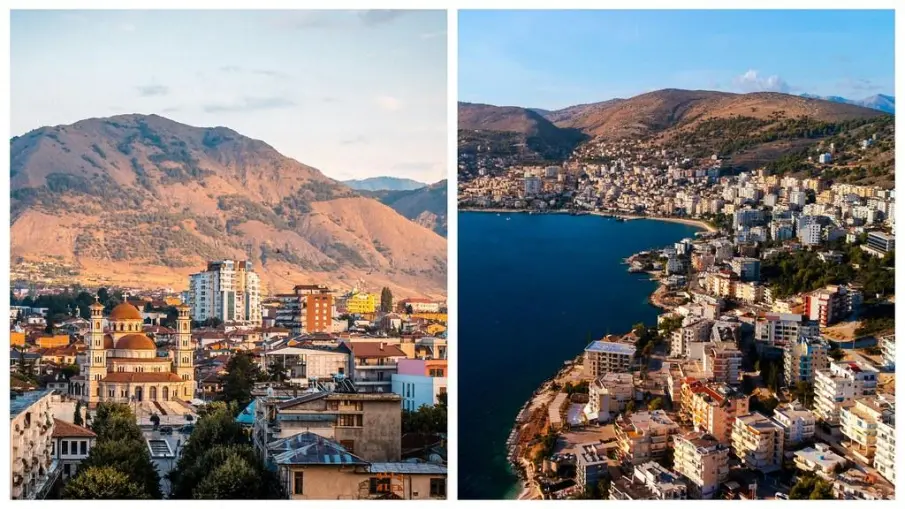
Purchasing property in Albania is relatively affordable compared to many European markets, but it's important to account for all the related costs. Here’s what you need to know in 2025.
One-Time Purchase Costs
- Property Transfer Tax: Typically around 2-4% of the purchase price, depending on region and property type.
- Notary and Legal Fees: Combined fees usually amount to about 1-1,5% of property value.
- Registration Fee: Municipally set, often between €80 and €150.
- Municipal Fee (for new properties): 0,1-2,5% of contract value, depending on location.
- Property Insurance (mandatory for new builds): Around 1% of the transaction amount for a 10-year policy.
- Real Estate Agency Commission: Generally about 1% of the property value, though commission may vary.
Ongoing and Future Taxes
- Annual Property Tax: Very low – around 0,05% of the assessed cadastral value for residential properties.
- Rental Income Tax: A flat 15% on net rental income for individuals.
- Capital Gains Tax: 15% on the profit from selling property.
Real-Life Cost Example
Let’s consider a €200000 new apartment in Tirana:
- Transfer Tax: 2% = €4000
- Notary & Legal Fees (~1.3%) = €2600
- Registration Fee: ~€100
- Municipal Fee (~1%): €2000
- Insurance (1%): €2000
- Agency Commission (~1%): €2000
Estimated total upfront cost: €12700 (about 6,4% of purchase price), plus ongoing tax and maintenance.
Summary Table
|
Cost Type |
Approximate Rate or Amount |
|
Property Transfer Tax |
2-4% of purchase price |
|
Notary & Legal Fees |
1-1,5 % |
|
Registration Fee |
~€80-150 |
|
Municipal Fee (new builds) |
0,1-2,5 % |
|
Insurance (new build, 10-year) |
~1% |
|
Agency Commission |
~1% |
|
Annual Property Tax |
~0,05% of cadastral value |
|
Rental Income Tax |
15% flat rate |
|
Capital Gains Tax |
15% of profit |
Best Locations in Albania for Foreign Property Investment
Albania offers diverse regions that appeal to foreign investors – whether you're seeking coastal retreats, vibrant city life, or cultural heritage. Each area brings its own advantages, from rental demand to long-term value. Here are some top choices, supported by recent market data.
Coastal Gems: Sarandë, Vlora & the Southern Riviera
- Sarandë: Often dubbed the "capital of the Albanian Riviera", Sarandë attracts vacationers drawn to the nearby Blue Eye spring, UNESCO-listed Butrint, and picturesque beaches. Property prices range from approximately €1500 to €2500 per m², with premium beachfront units exceeding €3000/m².
- Vlora: A busy port city blending Mediterranean charm with modern infrastructure. It’s undergoing significant development – including a bold pastel-colored architectural project – and has become one of the fastest-growing coastal markets in the region.
- Southern Riviera (e.g., Himarë): Offers high short-term rental potential with yields ranging between 8% and 12% during peak tourist seasons.
Urban Opportunities: Tirana & Durres
- Tirana (e.g., Blloku district): A vibrant economic and cultural hub with growing investor appeal. The trendy Blloku area delivers rental yields of about 4-6%, driven by high demand and rising values.
- Durres: A coastal city offering a strategic blend of affordability and accessibility to the capital. Prices typically hover between €1000 and €2000/m², supported by tourism and proximity to Tirana.
Heritage and Culture: Berat, Gjirokastër & Shkodër
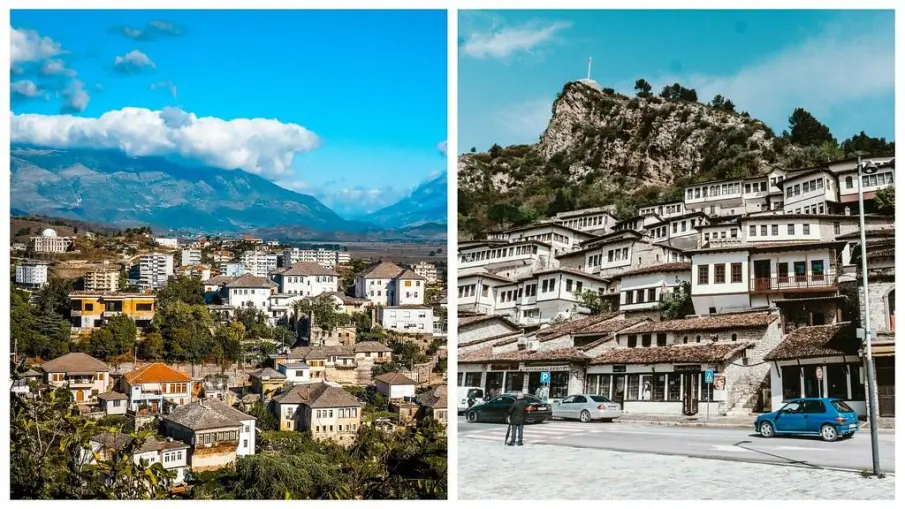
- Berat: This UNESCO World Heritage city enchants with Ottoman architecture and well-preserved historic charm. Prices usually range between €1000 and €2000/m².
- Gjirokastër: Another heritage gem, offering traditional stone houses in an authentic setting. Here, property starts at around €800 up to €1500/m².
- Shkodër: A cultural center near Lake Shkodër, combining natural beauty with historical sites. Expect prices between €900 and €1800/m².
Quick Comparison Table
|
Location |
Price Range (€/m²) |
Key Strengths |
Typical Rental Yield |
|
Sarandë |
1500-3000+ |
Beachfront, tourism, heritage |
High in peak season |
|
Vlora |
1500-2500+ |
Seaside growth, smart projects |
Growing |
|
Southern Riviera (Himarë) |
Varied |
Scenic villages, elite tourism |
8-12% |
|
Tirana (Blloku) |
1200-2500 |
Urban center, nightlife, rentals |
4-6% |
|
Durres |
1000-2000 |
Coastal access, affordability |
Moderate |
|
Berat |
1000-2000 |
Cultural heritage, architecture |
Lower, niche interest |
|
Gjirokastër |
800-1500 |
Historic town, authentic appeal |
Lower, niche interest |
|
Shkodër |
900-1800 |
Lake proximity, history |
In-town rental potential |
Tips for a Smooth Property Purchase in Albania
To make your property purchase in Albania smooth and secure, here are practical tips based on current practices and experiences of foreign buyers in 2025.
1. Rely on Local Legal Expertise
- Always hire a reputable local lawyer or notary – the cost (around €500-1000) is a worthwhile investment. They can verify ownership, navigate paperwork, and handle registrations correctly.
- As one expat advises:
"First and foremost, go to a lawyer (one of the big firms in town)… they will take care of everything… totally worth it."
- Make sure the property’s documentation is solid: check the title, ownership certificate (tapi), mortgage records (hipoteke), permits, and zoning information.
2. Visit the Property If You Can
- Remote purchases are possible but risky – local market knowledge is crucial. Many properties aren’t listed online, and there's no substitute for an in-person view.
- Old properties often use sturdier materials, and many new builds might not meet seismic norms – so inspect the structure carefully.
3. Use Trustworthy Real Estate Agents
- Work with certified and experienced agents to ensure legitimacy and proper guidance.
4. Watch Out for Unofficial Transactions
- Avoid deals that involve informal payment schemes or under-the-table arrangements – such deals often lead to incomplete or fraudulent outcomes.
5. Be Patient with Bureaucracy
- Property registration, title transfer, and residency applications can take time. Don’t rush – allow for administrative processing, translation, and review periods.
6. Secure Property and Associated Services
- For new builds, don’t skip mandatory insurance – even if it adds cost, it protects against construction defects or damage.
- Register your property properly with the national cadastre to ensure legal ownership recognition.
Summary Table: Key Precaution Checklist
|
Tip |
Why It Matters |
|
Hire a reputable lawyer/notary |
Ensures legal compliance and protects against fraud |
|
Verify ownership documents |
Prevents title or registration disputes |
|
Visit the property in person |
Gives clarity on condition, location, and surroundings |
|
Use certified agents only |
Reduces risk of scams or unethical practices |
|
Avoid informal deals |
Protects your investment from unreliable sellers |
|
Allow time for formal processes |
Ensures accurate document processing and compliance |
|
Insure new properties |
Guards against unexpected damage or defects |
|
Register with cadastre |
Secures your legal ownership rights officially |
Following these best practices – basing decisions on verified facts, reputable services, and on-the-ground insight – can transform your property purchase into a secure and well-informed experience in Albania.
More to Read:



Previous Posts: